

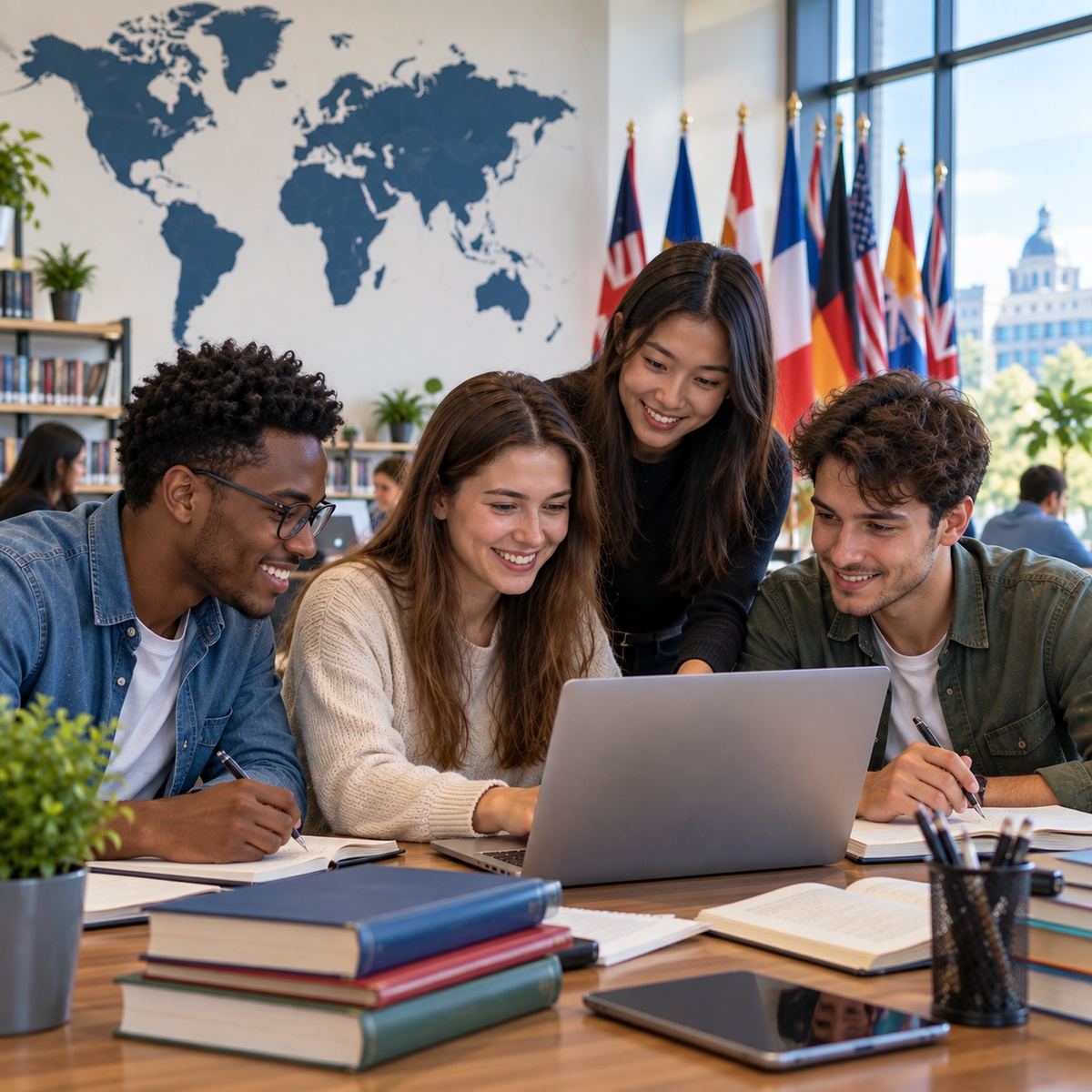
Education Worldwide reflects the different ways countries organize learning, prepare students for the future, and respond to social, economic, and technological change. Although education systems vary greatly, most share the same goal: helping people gain knowledge, develop useful skills, and participate successfully in society.
Education Worldwide includes early childhood programs, primary and secondary schools, universities, vocational training, adult learning, and online education. Each country develops its own educational structure based on culture, government policy, economic resources, and national priorities.
Main Features of Education Worldwide
| Area | Global Focus |
|---|---|
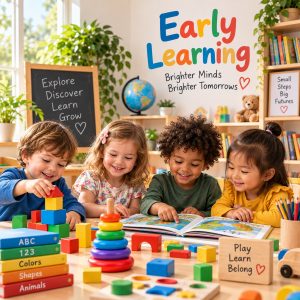
| Early Education | Supporting childhood development and school readiness |
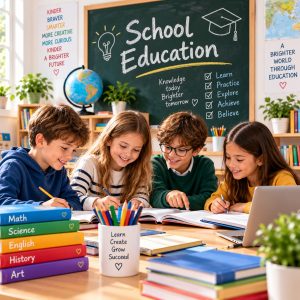
| School Education | Building literacy, mathematics, science, and social skills |
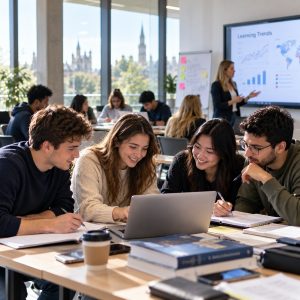
| Higher Education | Preparing students for specialized careers and research |
| Vocational Training | Developing practical and job-ready skills |
| Online Learning | Expanding access through digital platforms |
| Adult Education | Supporting lifelong learning and career development |
| Inclusive Education | Improving access for learners with different needs |
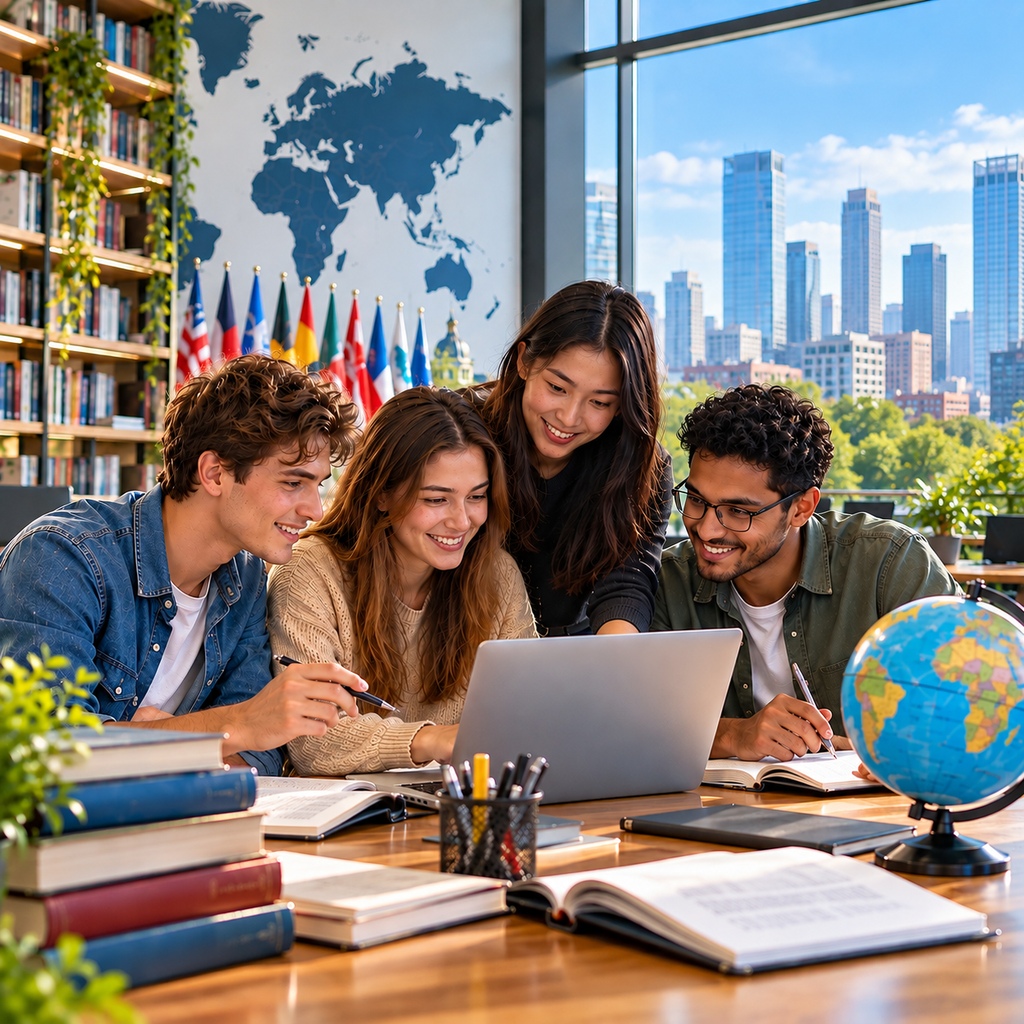
Many countries are investing in digital tools, teacher training, modern curricula, and new assessment methods. Technology is becoming especially important because it allows students to access lessons, research materials, and educational resources from almost anywhere.
Digital resources have also become an important part of modern school education. Schools, teachers, and educational organizations use websites to publish learning materials, assignments, news, schedules, and useful information for students and parents.
earlylearning
Major Global Education TrendsEducation systems around the world are changing in several important ways:
- greater use of digital learning and artificial intelligence;
- more flexible online and hybrid study formats;
- stronger focus on practical and career-related skills;
- expansion of lifelong learning opportunities;
- growing attention to student well-being and inclusion;
- increased cooperation between schools, universities, and employers;
- greater emphasis on sustainability and global awareness.
Despite progress, major differences still exist between countries and regions. Some education systems have access to advanced technology, modern facilities, and well-funded institutions, while others face shortages of teachers, limited infrastructure, and unequal access to learning materials.What Makes Global Education Stronger?Improving education worldwide usually requires several key elements:
- qualified and well-supported teachers;
- equal access to schools and learning resources;
- modern and relevant educational programs;
- reliable digital infrastructure;
- effective cooperation between governments and communities;
- opportunities for professional and lifelong learning;
- support for students from disadvantaged backgrounds.
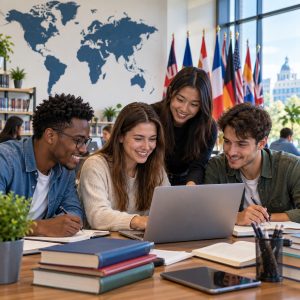
International cooperation also plays an important role. Universities, governments, and educational organizations increasingly share research, exchange students, develop joint programs, and compare teaching methods. These connections help countries learn from one another and improve educational quality.
Education is also becoming more closely connected to global challenges. Climate change, artificial intelligence, migration, public health, and economic transformation require people to understand complex issues and adapt to new conditions. As a result, students need not only academic knowledge but also critical thinking, communication, creativity, and digital literacy.
Education Worldwide continues to evolve as societies change. Different countries may use different systems, but the future of education is increasingly connected through technology, international cooperation, and shared goals. Strong education systems can help people gain knowledge, improve career opportunities, and contribute to social and economic development across the world.
Visit our news site to explore how education is developing across different countries, from school and university reforms to online learning, international programs, new teaching methods, and lifelong learning opportunities.
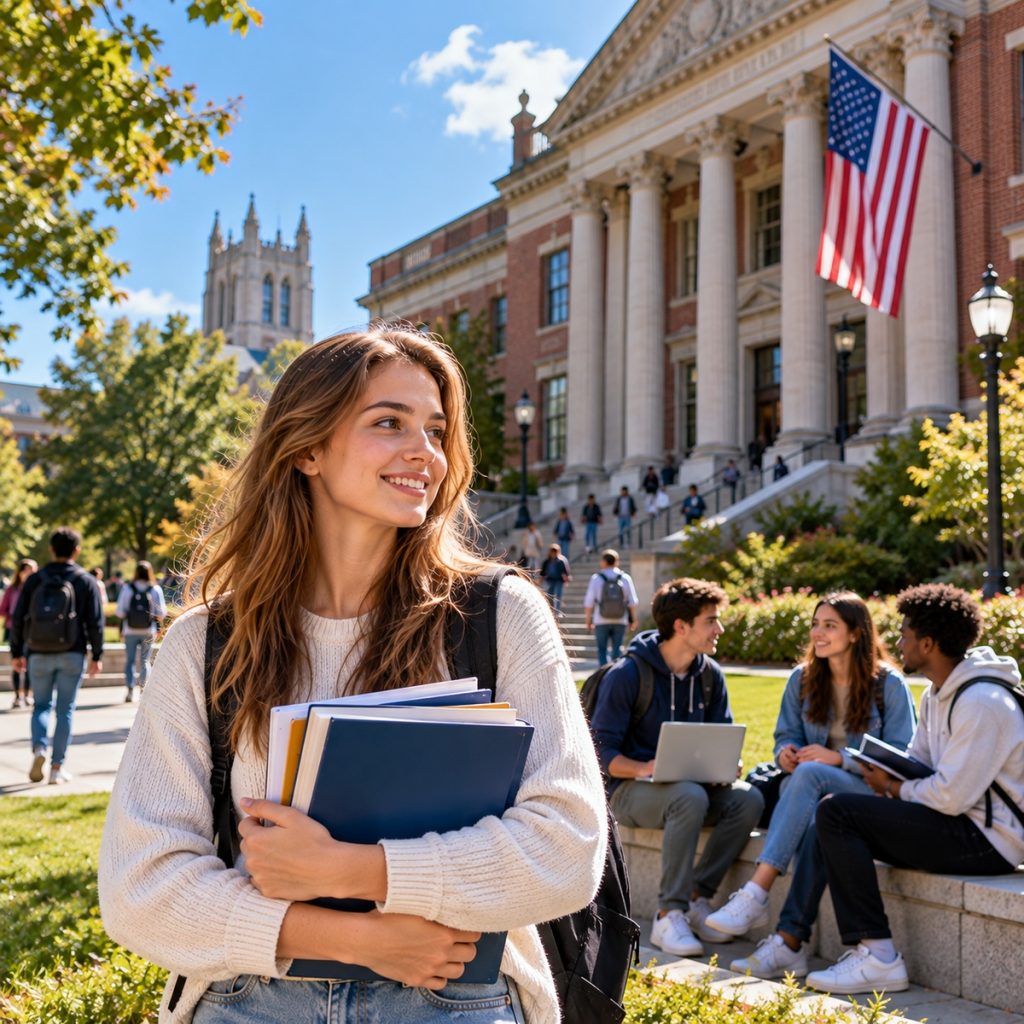





A very interesting overview of how education systems are changing around the world and adapting to new global challenges.
It is important to compare different learning systems because every country can learn from the experience of others.
I like the focus on technology, lifelong learning, and international cooperation. These trends are shaping the future of education in many countries.
The article clearly shows how education is becoming more flexible, digital, and connected to future career opportunities.
Great topic. Education Worldwide helps us understand both the differences between national systems and the global trends that connect them.