


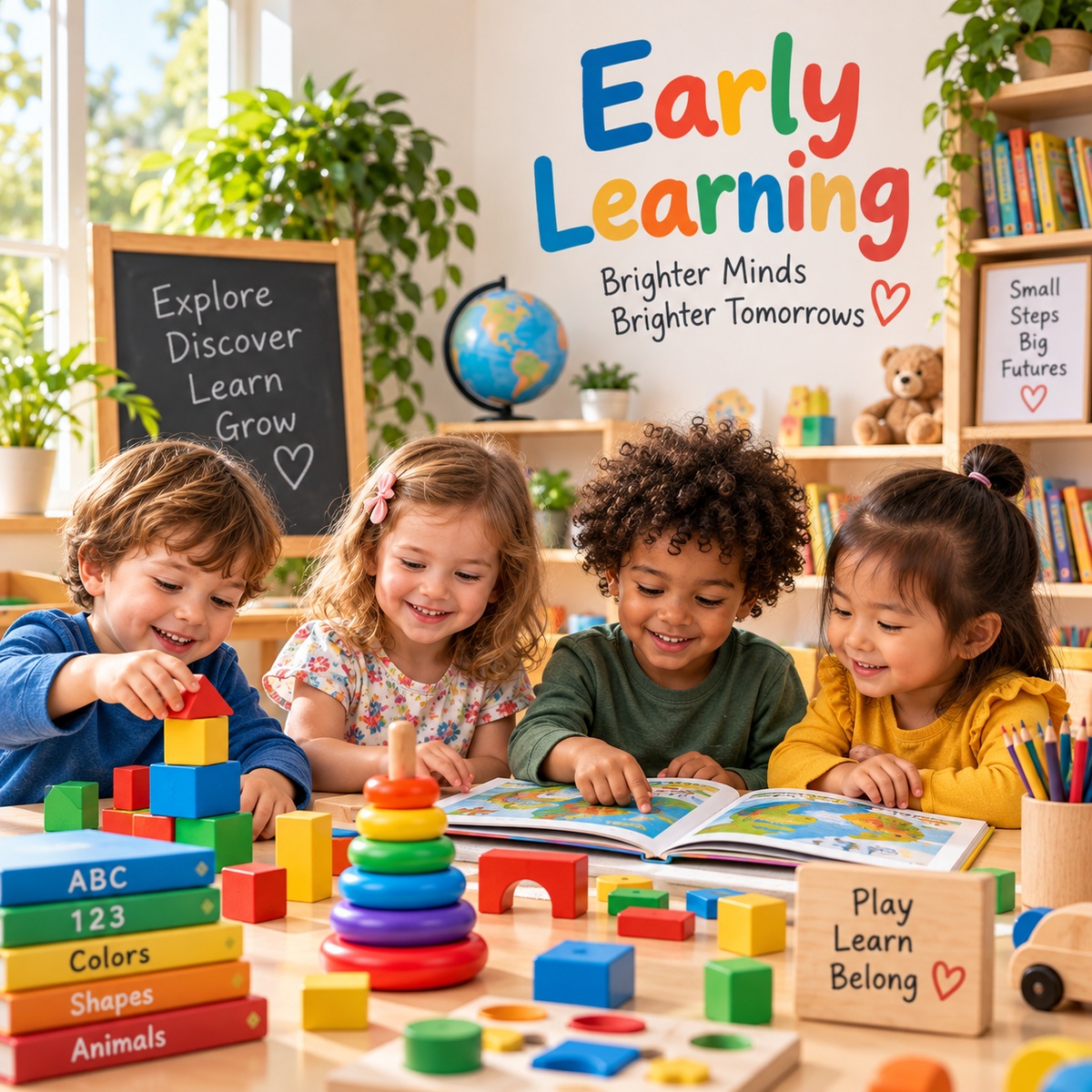
Early Education is an important stage in a child’s development, helping children build the first skills they need for school, communication, creativity, and everyday life. During the early years, children actively explore the world around them, learn through play, repeat new words, recognize colors and shapes, develop motor skills, and begin to understand basic social rules.
A well-organized Early Education environment supports natural curiosity and turns simple activities into meaningful experiences. Books, educational toys, puzzles, creative materials, counting games, flashcards, sensory activities, and interactive learning tools help children develop step by step. The main goal is not to overload the child, but to make Early Learning enjoyable, safe, and age-appropriate.
Early learning products are useful for parents, teachers, childcare centers, preschools, and anyone who wants to support a child’s growth from the first years of life. They help children become more confident, attentive, independent, and ready for the next stages of education.
Key Areas of Early Learning
| Learning Area | What It Helps Develop |
|---|---|
| Language Skills | Vocabulary, listening, speaking, early reading habits |
| Math Basics | Counting, number recognition, sorting, comparison |
| Fine Motor Skills | Hand coordination, writing preparation, object control |
| Creativity | Imagination, self-expression, drawing, music, storytelling |
| Social Skills | Sharing, communication, patience, teamwork |
| Problem Solving | Logic, memory, attention, decision-making |
| Emotional Development | Confidence, independence, self-control |
Benefits of Early Learning
- helps children develop basic thinking and communication skills;
- prepares children for preschool and school education;
- improves memory, attention, and concentration;
- supports emotional confidence and independence;
- encourages creativity through play and discovery;
- develops fine motor skills needed for writing and daily tasks;
-
makes learning a natural and enjoyable part of everyday life.
One of the biggest advantages of early learning is that it combines education with play. Children learn best when they are interested, relaxed, and actively involved. For example, sorting colorful blocks can teach colors, shapes, counting, and coordination at the same time. Reading picture books helps children recognize objects, learn new words, and develop imagination. Simple puzzles train patience, focus, and logical thinking.
Digital resources have also become an important part of modern school education. Schools, teachers, and educational organizations use websites to publish learning materials, assignments, news, schedules, and useful information for students and parents.
earlylearning
Early learning materials should be selected according to the child’s age, interests, and level of development. For toddlers, sensory toys, large puzzles, soft books, stacking toys, and simple matching games are often the best choice. For older preschool children, alphabet sets, number games, memory cards, creative kits, and educational activity books can provide more structured learning.
Popular Early Learning Products
- alphabet and number learning sets;
- wooden puzzles and shape sorters;
- flashcards for words, colors, and animals;
- sensory toys and activity boards;
- drawing, coloring, and craft materials;
- counting games and matching cards;
-
picture books and early reading tools.
Early learning also supports emotional and social development. When children play with adults or other children, they learn how to listen, wait for their turn, follow simple instructions, and express their feelings. These skills are just as important as numbers and letters because they help children feel comfortable in group settings and prepare them for future learning environments.
Creating a positive learning routine at home or in a classroom does not have to be difficult. Short daily activities, storytelling, creative play, counting everyday objects, singing songs, and asking simple questions can make a big difference. The best early learning approach is gentle, consistent, and based on encouragement.
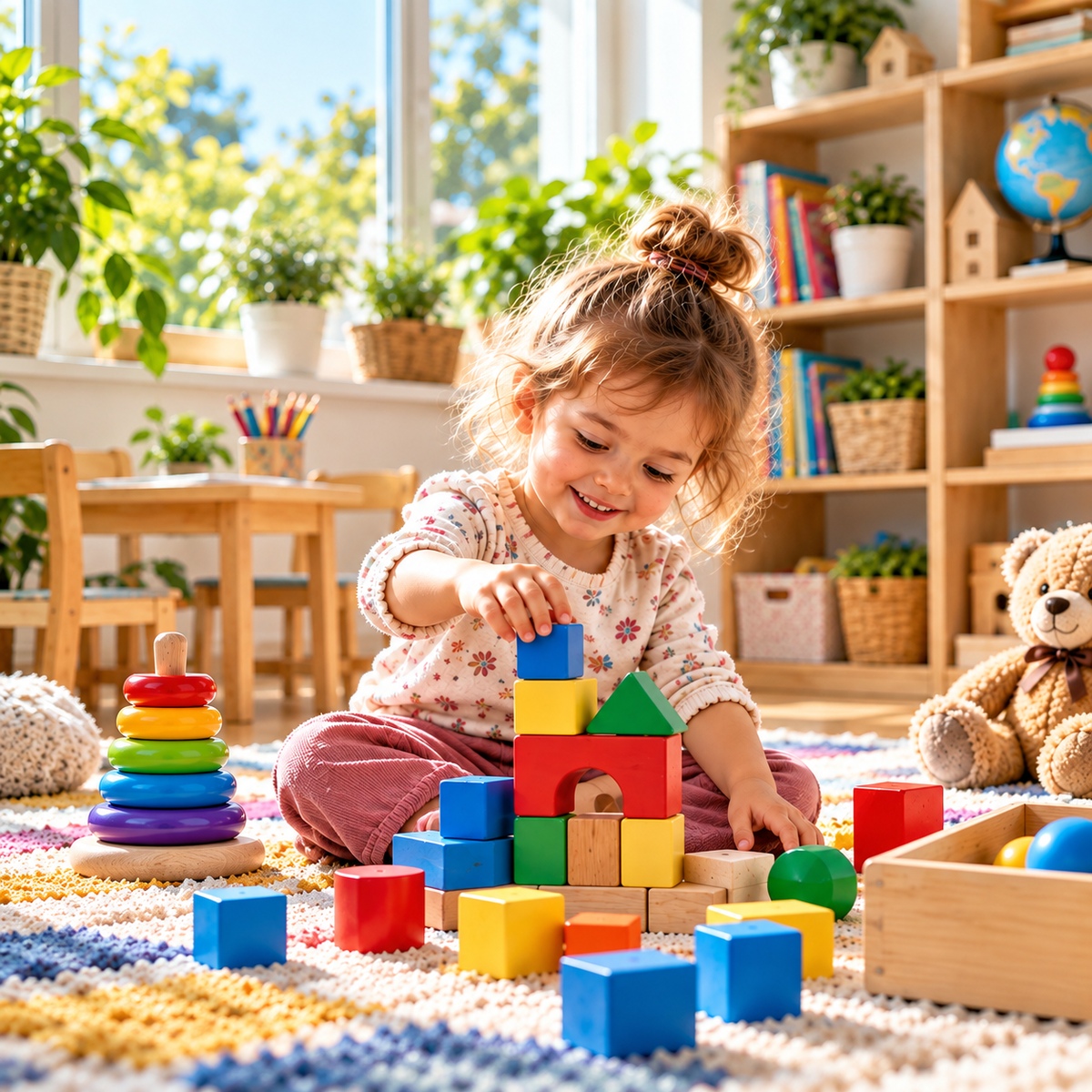
Early Learning products help children take their first steps toward knowledge, creativity, communication, and independence. With the right tools and a supportive environment, every child can enjoy learning and build a strong foundation for future success.
In our news site, parents and educators can find a variety of early learning products designed to support children’s development through play, creativity, and everyday educational activities.














Early learning is one of the most important stages in a child’s development because it helps build confidence, curiosity, communication skills, and a love for learning from the very beginning.
Early learning is not only about letters and numbers. It also supports emotional growth, social skills, creativity, independence, and problem-solving.
Children learn best when education feels like play. Simple activities such as reading, drawing, singing, sorting, and building can make a big difference in early development.