


Professional Education helps people gain practical knowledge, specialized skills, and qualifications needed for specific careers. It connects education with real workplace requirements and prepares students, graduates, and working professionals for employment, career growth, and changing industry demands.
Professional education can include vocational schools, technical colleges, certification programs, apprenticeships, short professional courses, and industry training. Unlike purely academic programs, it places strong emphasis on practical experience and job-ready skills. This approach is especially important in fields such as healthcare, technology, engineering, construction, business, hospitality, and skilled trades.
Main Areas of Professional Education
| Area | Main Purpose |
|---|---|
| Vocational Training | Develop practical skills for specific occupations |
| Technical Education | Prepare learners for technical and engineering careers |
| Certification Programs | Confirm professional knowledge and competence |
| Apprenticeships | Combine education with workplace experience |
| Career Training | Prepare learners for employment and promotion |
| Continuing Education | Help professionals update existing skills |
| Industry Training | Meet current workplace and employer requirements |
One of the main advantages of professional education is its close connection with the labor market. Programs are often designed around real job requirements, allowing learners to apply their knowledge in practical situations and become better prepared for employment.Benefits of Professional EducationProfessional education can help learners:
- develop practical and job-ready skills;
- prepare for specific professions and industries;
- improve employment and promotion opportunities;
- earn professional certificates and qualifications;
- adapt to new technologies and workplace changes;
- gain confidence through hands-on training;
- continue professional development throughout their careers.
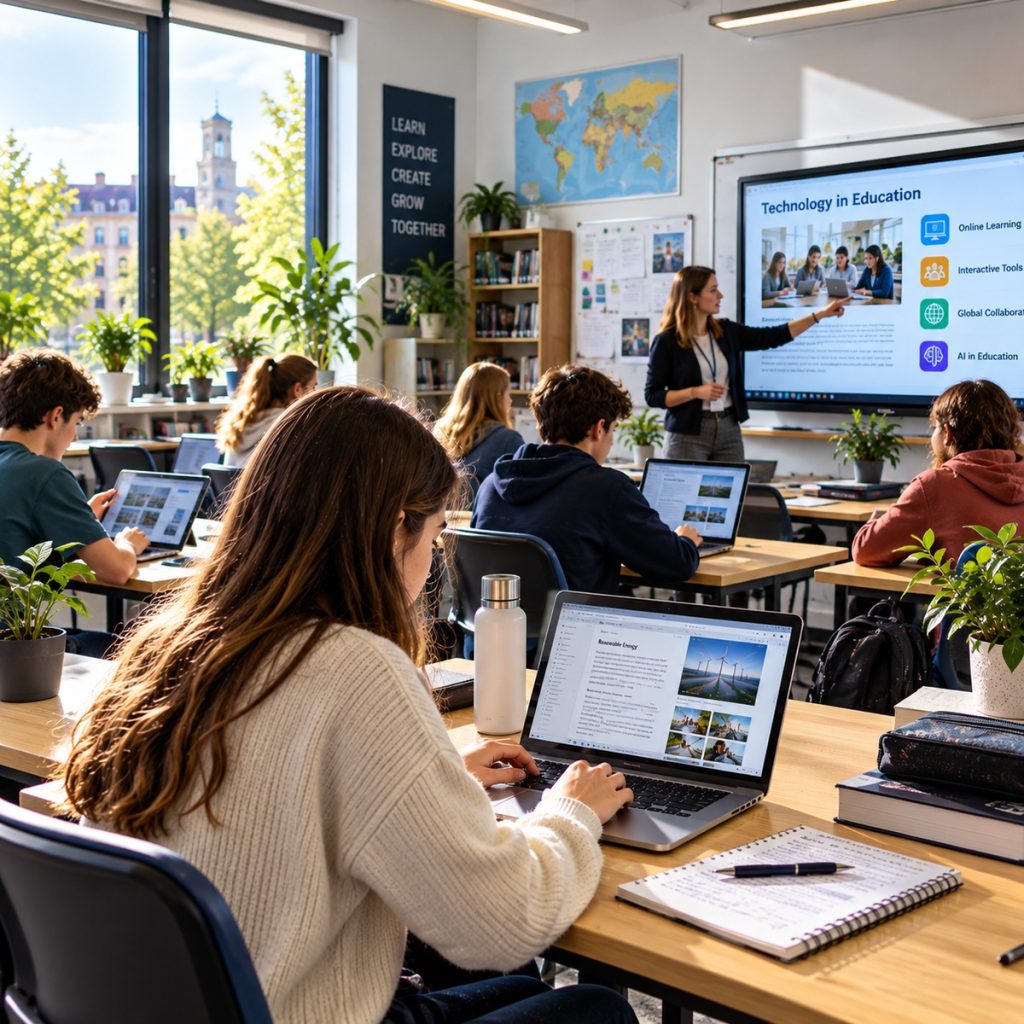
 Technology has also changed professional education. Online courses, virtual classrooms, digital simulations, AI-powered learning tools, and remote training platforms allow people to study more flexibly. Professionals can improve their qualifications without leaving their current jobs or relocating to another city.
Digital resources have also become an important part of modern school education. Schools, teachers, and educational organizations use websites to publish learning materials, assignments, news, schedules, and useful information for students and parents.
earlylearning
What Makes Professional Education Effective?A strong professional education program usually includes:
- practical and industry-relevant training;
- experienced instructors and professional mentors;
- clear learning goals and recognized qualifications;
- access to modern technology and equipment
- internships, apprenticeships, or workplace practice;
- regular assessment of practical abilities;
- cooperation between education providers and employers.
Professional education is particularly valuable in industries that change quickly. Automation, digital tools, new safety standards, and changing customer expectations can create new skill requirements. Workers who continue learning are often better prepared to remain competitive and respond to new professional challenges.
Flexibility is another important factor. Some learners prefer full-time programs, while others need evening courses, short-term training, or online education. Flexible formats make professional development more accessible to adults who combine education with work and family responsibilities.
Professional Education creates a practical connection between learning and employment. By combining specialized knowledge, hands-on experience, modern technology, and industry requirements, it helps people improve their skills, strengthen their careers, and prepare for future opportunities.
Our news site provides useful articles, education updates, training insights, and practical information about professional education, certifications, vocational programs, career development, and new skills required in the modern workplace.













A very useful article about how professional education can help people develop practical skills and prepare for real career opportunities.
I like the focus on training and career development. Practical knowledge is becoming increasingly important in many industries.
Professional education can be a great option for people who want to gain job-ready skills without spending years in traditional academic programs.
The article clearly shows how specialized training can improve confidence, qualifications, and long-term career prospects.
A helpful overview of professional education. Continuous training and skill development can make a big difference in today’s changing job market.