



Universities help students gain advanced knowledge, develop practical skills, and prepare for professional careers. They offer degrees in science, technology, medicine, business and the arts. University life also encourages independence, critical thinking, and teamwork.
Through academic research, internships, international exchange programs, and practical projects, students can gain valuable experience and explore different career opportunities. Modern universities also provide access to digital learning resources, professional networks, and career guidance, helping students develop essential skills, achieve their educational goals, and prepare for success in a changing global job market.
Main Areas of University Education
| Area | What Students Gain |
|---|---|
| Bachelor’s Degrees | Broad knowledge and foundations for a career |
| Master’s Degrees | Specialized study and advanced professional skills |
| PhD & Research | Research experience and original academic work |
| Professional Programs | Training for specific fields and qualifications |
| Online Degrees | Flexible access to university-level courses |
| Student Services | Academic advice, career support, and guidance |
Universities connect classroom learning with research, laboratory work, practical projects, and internships. Students should compare course content and available support before applying.
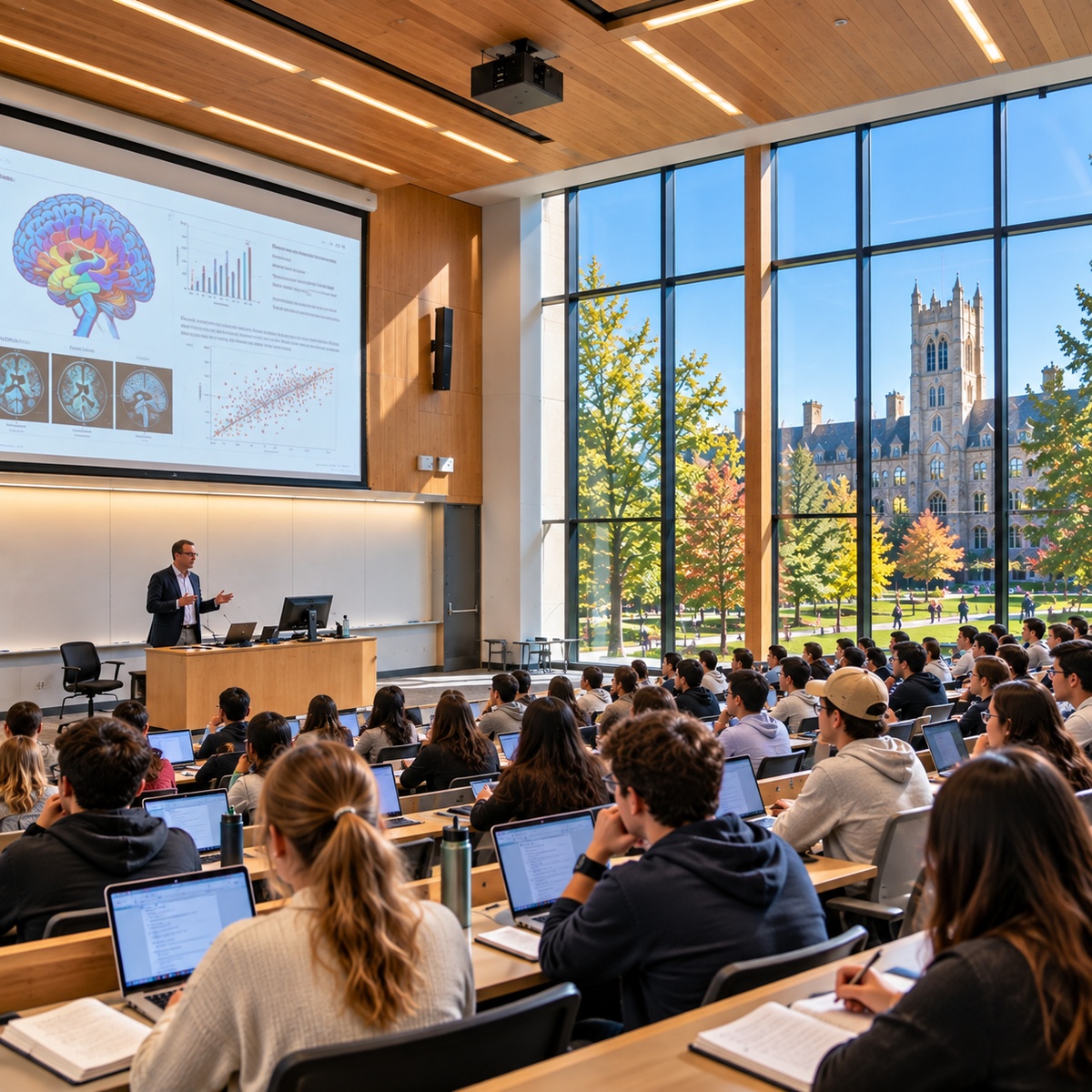
Benefits of University Education
University study can help students:
- build subject knowledge and transferable skills;
- improve communication and analytical thinking;
- gain experience through research and practical projects;
- explore internships and professional networks;
- prepare for graduate study and career development.
Many universities work with businesses and international partners. They may offer research projects, study abroad, or access to emerging fields. However, the right choice depends on personal interests, program quality, costs, and long-term goals.
Digital resources have also become an important part of modern school education. Schools, teachers, and educational organizations use websites to publish learning materials, assignments, news, schedules, and useful information for students and parents.
earlylearning
University education programs may also study earlylearning, helping future teachers understand childhood development and age-appropriate digital resources. This links university research with early childhood teaching.
How to Choose a University
Before applying, prospective students should:
- compare degree programs and admission requirements;
- review tuition fees, scholarships, and living expenses;
- investigate teaching facilities and student support;
- look into internships, research, and exchange options;
- check graduation requirements and career services.
Choosing a university is about more than its reputation. Students should consider how well a program supports their learning style, financial situation, and future ambitions. Flexible options and guidance can help them stay motivated.
Universities contribute to education, research, and innovation while helping students develop knowledge, confidence, and professional direction.
Visit our news site to discover useful information about developing essential skills, improving communication, mastering digital tools, and strengthening practical abilities for academic success, personal growth, and future career opportunities.
















A very informative article! Universities play an important role in helping students gain knowledge, develop practical skills, and prepare for successful careers.
I especially liked the focus on research and innovation. Universities provide valuable opportunities for students to explore new ideas and contribute to scientific development.
Higher education is not just about earning a degree. It also helps students develop independence, critical thinking, communication skills, and professional confidence.
International exchange programs and internships are excellent opportunities for students to gain practical experience and prepare for the global job market.
The section about choosing a university is particularly helpful. Comparing academic programs, scholarships, research opportunities, and career support can make a big difference.
Great overview of modern universities! Combining academic knowledge with practical training, digital resources, and professional development can create better opportunities for future careers.