


Digital Skills help students and adults use technology to learn, communicate, solve problems, and work. From computers to online research and artificial intelligence, these abilities matter in education and work. Digital education combines technical knowledge with critical thinking and safe online habits.
Developing digital skills also allows learners to explore new educational opportunities, improve productivity, and adapt to rapidly changing technologies. As digital tools become more important in everyday life, strong technological abilities help people build confidence, achieve academic goals, and prepare for future career opportunities.
Main Areas of Digital Skills
| Skill | What It Helps Learners Do |
|---|---|
| Computer Literacy | Use devices, software, and applications |
| Online Research | Find and evaluate digital information |
| Digital Communication | Collaborate through online platforms |
| Cybersecurity | Protect accounts and personal information |
| Data Literacy | Understand and present information |
| AI Literacy | Use AI tools and check their results |
Learning digital skills is not only about operating devices. Students also need to recognize unreliable sources, respect copyright, protect data and make informed decisions online. Practical lessons turn these principles into habits.
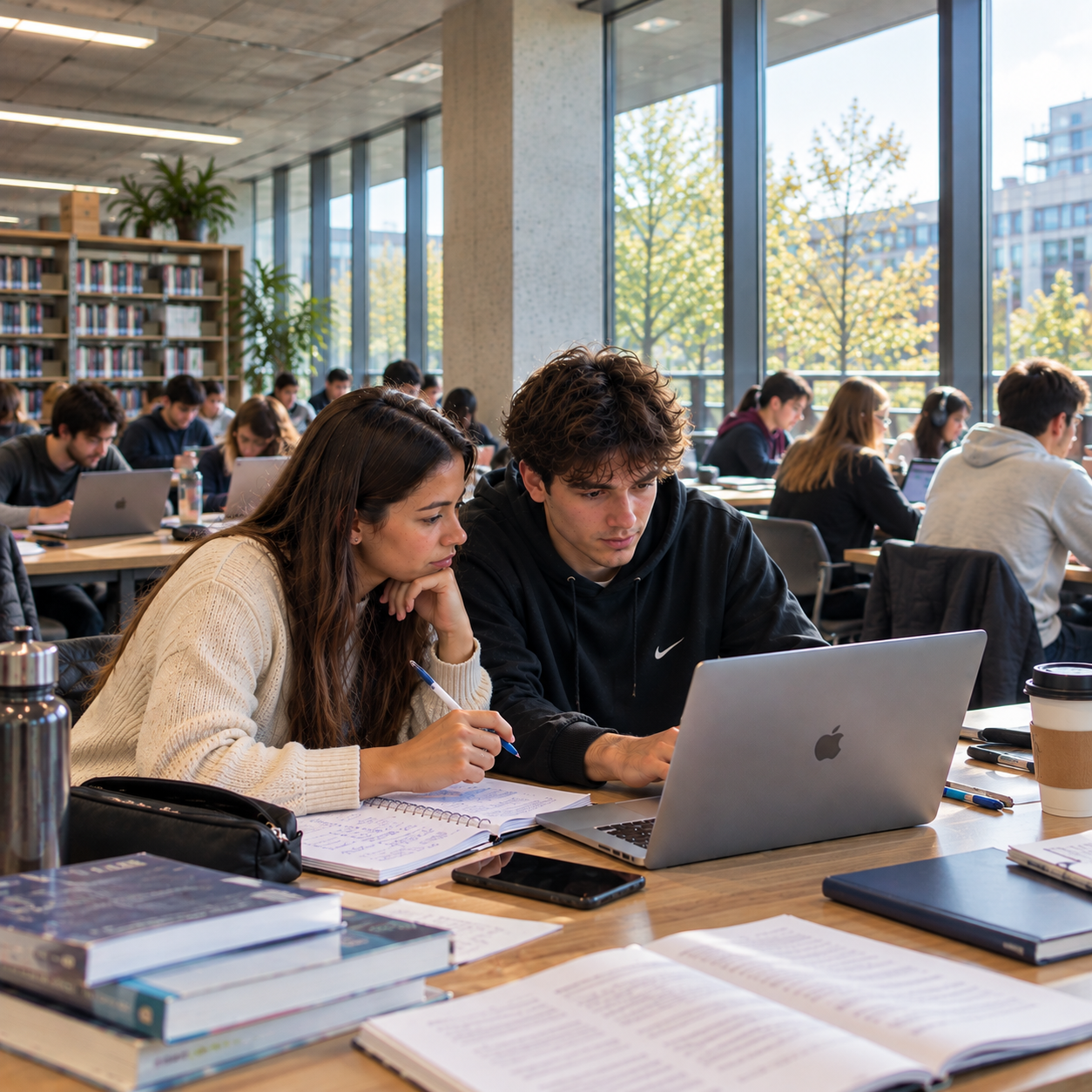
Benefits of Developing Digital Skills
Digital learning offers several advantages:
- improves access to educational resources and online courses;
- strengthens research, communication, and problem-solving;
- supports creativity through projects and presentations;
- prepares students for higher education and workplaces;
- builds confidence in using new technologies.
Digital resources have also become an important part of modern school education. Schools, teachers, and educational organizations use websites to publish learning materials, assignments, news, schedules, and useful information for students and parents.
earlylearning
Age-appropriate earlylearning resources introduce children to digital concepts through interactive stories, puzzles, and creative activities. Adults should guide screen use and combine it with reading, play, and hands-on learning to support healthy development.
How to Improve Digital Skills
Students and professionals can make progress by:
- practicing with common software and learning platforms;
- taking online courses and completing real projects;
- checking information against reliable sources;
- learning password safety and responsible online behavior;
- exploring AI tools while reviewing their accuracy.
Teachers can adapt activities to students’ ages and experience. Younger learners may practice typing and simple searches, while older students can create presentations, analyze data, or collaborate on shared documents. Timely feedback helps learners identify skills that need more attention.
Digital Skills support independent learning and open paths to academic and career opportunities. The goal is to use technology confidently, critically, and responsibly rather than depend on every new application.
Visit our news site to discover useful information about developing essential skills, improving communication, mastering digital tools, and strengthening practical abilities for academic success, personal growth, and future career opportunities.















A very useful article! Digital skills are essential for modern education and can help students prepare for future career opportunities.
I really like the focus on digital literacy and online safety. Learning how to use technology responsibly is just as important as mastering new digital tools.
Developing digital skills from an early age can help children become more confident, creative, and independent learners.
Artificial intelligence and modern technology are changing the way we learn and work. Continuous digital education is becoming increasingly important.
The section about improving digital skills is especially helpful. Online courses, practical projects, and regular practice are great ways to develop technological abilities.
Digital skills are valuable for people of all ages. They can improve communication, support lifelong learning, and create new professional opportunities.
Great overview of digital education! Combining technical knowledge, critical thinking, and problem-solving skills can help students succeed in school and their future careers.